
What is the minerality in a wine?
In this publication of our blog, we focus on a topic that is very likely that you have heard mentioned at some other occasions, especially if you have been present at a wine tasting recently. It deals with all the information that follows from the adjective ‘mineral’, applicable exclusively to this type of products.
In the beginning, this term was used worldwide by the wine critic Robert Parker, back in the 80s. In a tasting note, this expert reflected his perception of a wine, although he defined it as ‘wet stone’ . Quickly, the use of the word ran like wildfire, although it eventually spread like ‘minerality’.
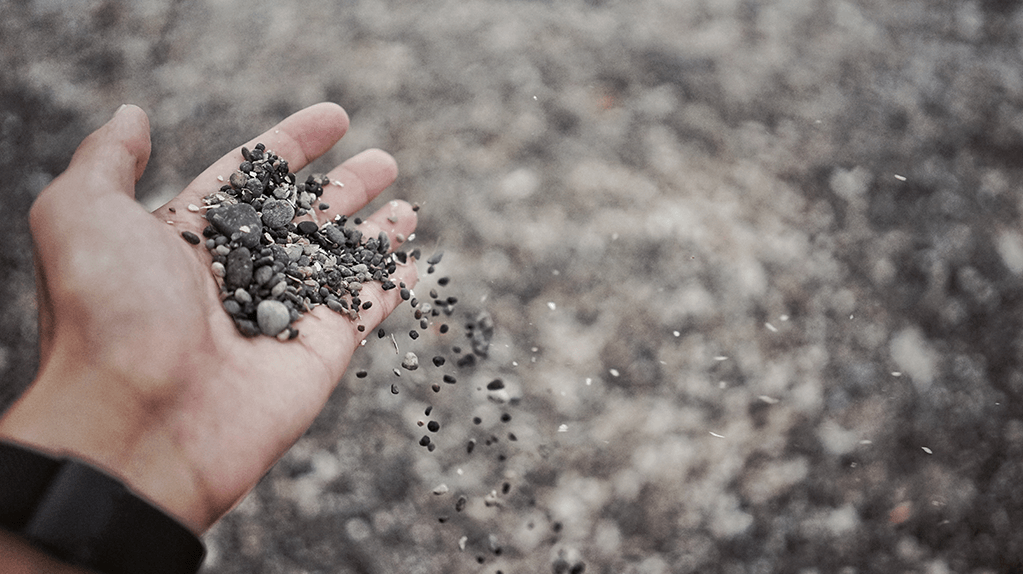
Until recently, it was considered that the minerality in a wine was directly related to the type of soil on which the vineyard in question was located. In short, some areas, such as slate, licorellas (which are a disintegration of slates in small copper-colored laminar stones) and granite generate nutrients that are directly absorbed by the plant and later, transformed into mineral aromas in the wine itself . That is, it was claimed that the minerality had a purely geological origin.
Minerality in a wine: evolution of the concept
Minerality in a wine: evolution However, in 2015, the study entitled ‘Chemical bases of mineral character at the olfactory and gustative levels in white and red wines’ was published, a private investigation by Spanish teachers Antonio Palacios and David Molina (Laboratorios Excell Ibérica and Outlook Wine, respectively). of the concept.
Inside, the idea that minerality in wines is frequently associated with the concept of «terroir» is taken up, above all, with clear commercial objectives, since the link with the type of soil makes it possible to justify the authenticity of the wine’s origin.
In addition, it is demonstrated that this analyzed characteristic is not only contributed by the metabolism of the strain itself through the nutrients that are absorbed from the soil, as it was assured for sure several decades ago, but that its origin is also due to the existence of the yeasts, to the different oenological processes set in motion within the winery itself, to the climatic conditions of each vintage and even to the specific characteristics of the different grape varieties.
For example, the minerality of a wine is also influenced by vineyard treatments (with the application of different fertilizers, herbicides, pesticides or fungicides) or alcoholic fermentation, which results in chemical compounds with an important aromatic and gustatory sensory impact at conception. end of the wine.
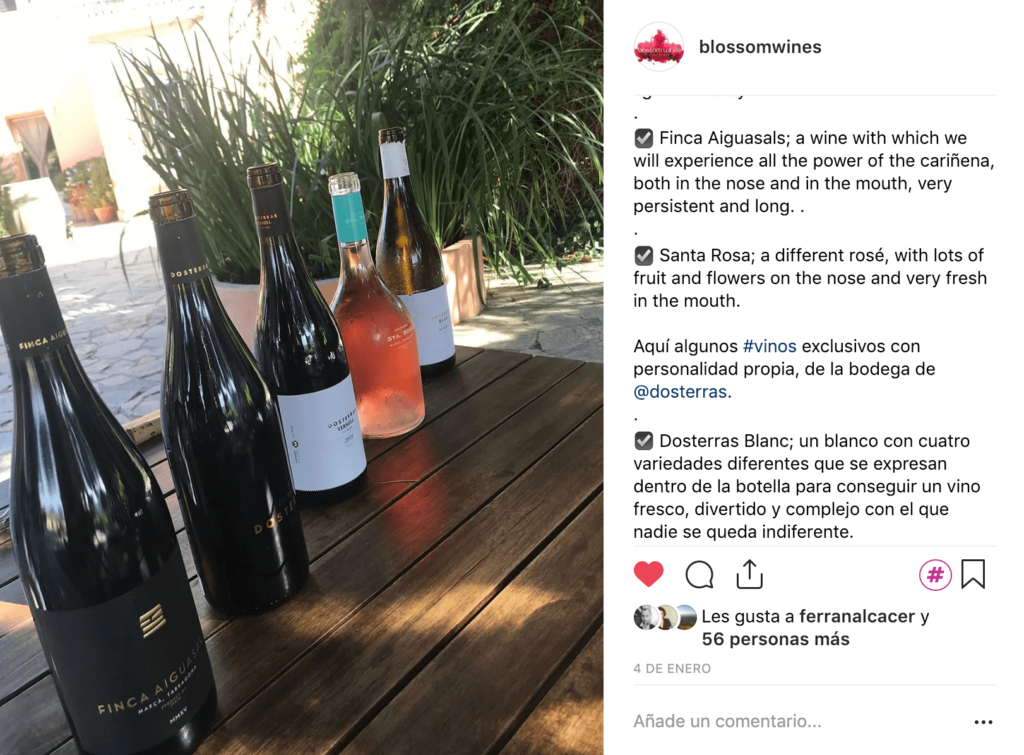
To put an exemple, if we talk about a wine with a unique personality, like the wines from Dosterras (D.O, Montsant) , specially the extraordinary carignan Finca Aiguasals; from Calcareous and slate soils at 336 meters above the sea with 16 months aging in French oak. This is a wine that reflects perfectly the minerality of the terroir also with this black fruit nose and persistency in mouth.
In summary, the chemical composition of the wine is very varied and complex to define. At present, there is no consensus among wine professionals about the concept of minerality, especially because it is quite difficult to detect during the course of the tasting.
In general, it is often referred to as synonymous with freshness, richness or complexity of the wine, along with other outstanding nuances such as its refinement, its airiness or its roughness.
Despite being a complicated idea to delimit, it is demonstrated that minerality is one of the most suitable words to express and describe, with a single term, the sensation that we sometimes perceive when tasting a wine and in turn, it is very difficult to define with other words. For this solid reason, it deserves its prominent place in our vocabulary of wine terms.
And you, have you heard about the minerality in a wine before? Tell me your impressions in the comments of this post or contact me through our form!